Children grow in their own way, but sometimes they need structured support to build everyday abilities. This is where occupational therapy in Jaipur plays an important role. It focuses on helping children become more independent in daily routines, improve coordination, and participate better at home and school. Rather than being a one-size approach, it is carefully adapted to each child’s needs, making it both practical and meaningful.
Understanding Occupational Therapy in Early Years
Occupational therapy is not limited to physical exercises. It is a guided process that supports how children think, move, and respond to their environment. A trained occupational therapist in Jaipur observes how a child performs simple tasks like holding a pencil, buttoning a shirt, or staying focused during activities. Based on these observations, they design sessions that strengthen the child’s abilities step by step.
In Jaipur, the growing awareness around developmental challenges has led many parents to seek early intervention. This early support often helps reduce long-term difficulties and builds confidence in children during crucial developmental stages.
How It Supports Child Development
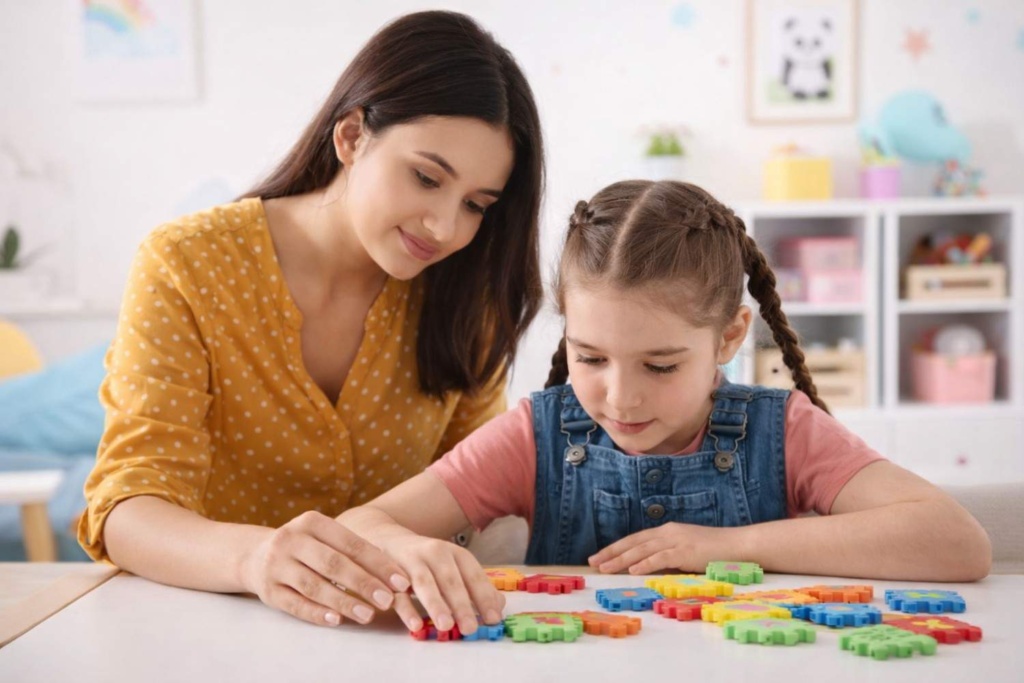
A child’s development is closely linked to their ability to interact with the world around them. Therapy sessions often include structured play, guided activities, and real-life task practice. These are designed to improve coordination, attention span, and problem-solving skills.
One important area is motor skills development, which includes both fine motor skills like writing and gross motor skills like balancing or running. When these skills improve, children are better able to participate in school and social activities without frustration.
Another key focus is sensory integration therapy, which helps children process sensory information such as touch, sound, and movement. Some children may feel overwhelmed by everyday sensations, while others may not respond enough. Therapy helps balance these responses so they can function comfortably in daily environments.
Building Independence Through Daily Activities
Children are encouraged to practice routine tasks through daily living skills training. This can include eating independently, dressing, or maintaining basic hygiene. These activities may seem simple, but they are essential for building independence and self-esteem.
A structured environment, like a child development center Jaipur, provides consistent guidance and safe spaces where children can learn without pressure. Therapists often work closely with parents, sharing practical techniques that can be continued at home. This consistency between therapy and home life helps children progress more effectively.
The Importance of Individualized Care
No two children are the same, and effective therapy reflects that. A qualified therapist carefully assesses each child’s strengths and challenges before planning interventions. This approach ensures that therapy is neither overwhelming nor too basic.
In Jaipur, experienced professionals often rely on evidence-based practices and continuous monitoring. Progress is not judged by speed but by meaningful improvements in the child’s daily life. This patient and informed approach reflects the importance of trust and expertise in developmental care.
When Should Parents Consider Therapy?
Parents may notice signs such as difficulty in holding objects, delayed speech-related coordination, lack of focus, or trouble in social interaction. These signs do not always indicate serious concerns, but early guidance can make a significant difference.
Seeking help at the right time allows children to develop coping strategies and build essential skills before challenges become more complex. It also provides parents with clarity and practical direction, reducing uncertainty.
A Thoughtful Approach to Child Growth
Occupational therapy is not about changing a child but supporting them in reaching their potential. It respects each child’s pace and focuses on meaningful progress. In a city like Jaipur, where awareness is steadily increasing, access to structured developmental support is becoming more reliable and informed.
Conclusion
Children learn best when they feel supported and understood. Occupational therapy offers a structured yet flexible way to help them build essential life skills. With guidance from trained professionals and consistent support from families, children can develop confidence, independence, and the ability to engage fully in everyday life. The focus remains on steady growth, practical improvement, and long-term well-being.