
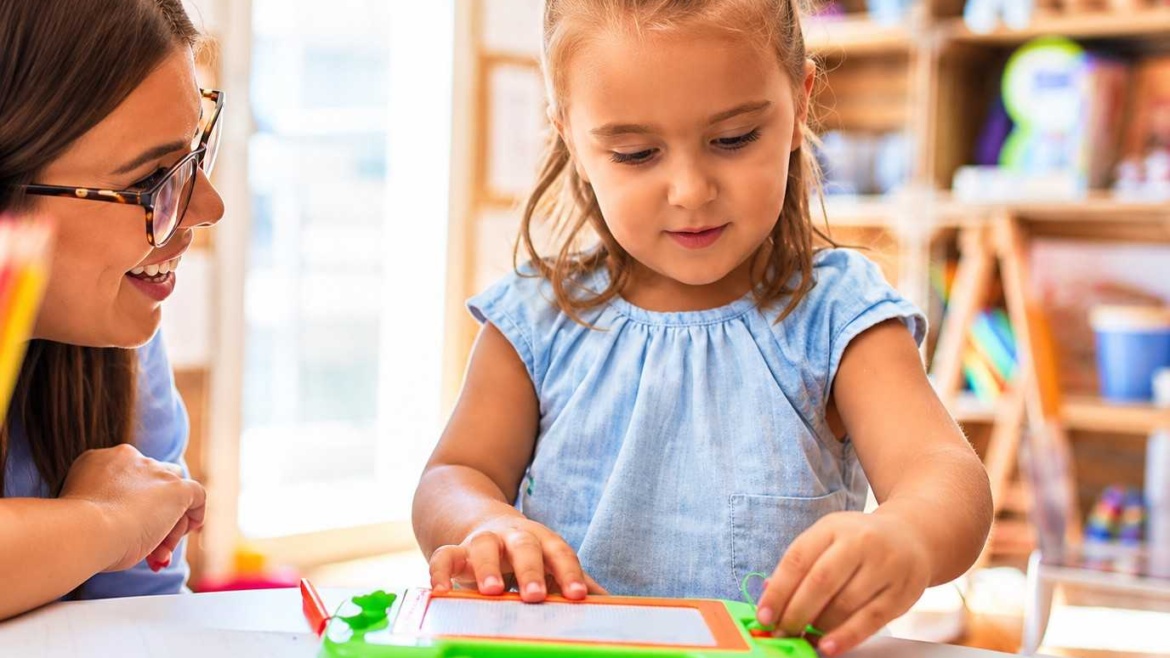
There’s a particular kind of worry that settles into a parent’s chest quietly – not with a bang, but with a slow, creeping question: “Should my child be talking more by now?”
Maybe you’ve noticed your toddler isn’t stringing words together like the neighbour’s child. Maybe your preschooler’s teacher mentioned something gently in passing. Maybe you’ve been Googling at midnight, reading and re-reading developmental charts, wondering if you’re overreacting or missing something important.
First, take a breath. You are not overreacting. Paying attention to how your child communicates is one of the most loving things a parent can do. And the fact that you’re here, seeking information, already puts you one step ahead.
This guide is for you – written to help you understand what’s typical, what’s worth watching, and when reaching out to a speech therapist in Jaipur might be the best next step for your family.
Understanding Speech & Language: What’s “Normal” and What’s a Variation?
Key Developmental Milestones byAge
Every child is beautifully unique, and development doesn’t follow a perfectly straight line. That said, there are general windows of progress that help specialists identify whether a child might benefit from support.
Here’s a simplified milestone guide:
Age Expected Communication Skills
12 months Babbling, saying “mama/dada,” responding to their name
18 months Using 10–20 words, pointing to objects
2 years Combining two words (“more juice”), using ~50 words
3 years Forming short sentences, strangers can understand ~75% of speech
4–5 years Speaking in full sentences, telling simple stories
Important note: These are ranges, not rigid deadlines. A child who hits milestones a few weeks late is very different from one who shows persistent gaps across multiple areas.
Speech vs. Language: A Simple Distinction
Parents often use these words interchangeably, but they mean different things:
Speech refers to the physical production of sounds – how clearly and fluently your child talks.
Language refers to understanding and using words to communicate – both spoken and through gestures, expressions, and eventually reading and writing.
A child might have clear speech but struggle to form sentences (a language concern), or speak fluently but be hard to understand (a speech concern). Some children have both. Understanding this distinction helps when you’re describing your concern to a professional.
Signs That Might Be Worth Exploring with a Specialist
When to Pay Closer Attention
The following signs don’t mean something is definitely wrong – but they do suggest that an evaluation from a qualified speech therapist in Jaipur or a child development center in Jaipur could provide clarity and peace of mind.
In toddlers (12–24 months), it may be worth exploring if your child:
Isn’t babbling or making varied sounds by 12 months
Doesn’t respond to their name consistently
Isn’t using any single words by 16 months
Loses language skills they previously had
In preschoolers (2–4 years), watch for:
Significant difficulty being understood by familiar adults
Frustration when trying to communicate (tantrums linked to communication breakdowns)
Trouble following simple two-step instructions
Not combining words into short phrases by age 2.5
Across all ages, the following may indicate developmental variations worth discussing:
Avoiding eye contact or social interaction
Repetitive use of phrases or words (echolalia)
Limited or no pretend play
Sensitivity to sounds, textures, or routines
These last patterns can sometimes be associated with autism spectrum characteristics. If you’re noticing several of these together, connecting with an autism therapy centre in Jaipur can offer a comprehensive, compassionate evaluation – not a label, but a roadmap.
7 Simple Activities to Support Your Child’s Communication at Home
What You Can Do Right Now
Professional support is powerful, but what happens between therapy sessions – in your kitchen, your car, your living room – matters enormously. Here are evidence-informed activities any parent can weave into daily life.
1.Narrate Your Day Talk through what you’re doing as you do it: “Now we’re washing the apples.
See how they’re red and round?” This builds vocabulary naturally without feeling like a lesson.
2.Follow their lead, get on the floor and join whatever your child is interested in. Comment on what they’re doing before redirecting. Children communicate more when they feel genuinely heard.
3.Pause and Wait Create communication opportunities by pausing expectantly. If your child wants a biscuit, hold it out and wait – even a few seconds – before handing it over. Give them the chance to request, reach, or make a sound.
4.Read Together Daily Picture books are one of the most powerful speech and language tools available. Point to images, ask simple questions (“Where’s the dog?”), and let your child turn pages and “read” to you too.
5.Reduce Screen Time, Increase Face Time Passive screen viewing offers little language learning for young children. Live, back-and-forth interaction – even wordless – is far more valuable for communication development.
6.Expand What They Say When your child says “juice,” respond with “Yes! More juice. You want more apple juice.” You’re modelling slightly more complex language without correcting them.
7.Celebrate All Communication Words, gestures, pointing, sounds – all of these count.
Celebrate every attempt. A child who feels safe trying to communicate will try more often.
When Home Activities Aren’t Enough: Seeking Professional Support
What to Expect at a Child Development Center in Jaipur
If concerns persist despite your best efforts at home, or if milestones are significantly delayed, it’s time to seek a professional evaluation. This is not a sign of failure – it’s an act of advocacy for your child.
At a reputable child development center in Jaipur like Paramount Child Development Center, an initial evaluation typically involves:
A detailed developmental history – your observations as a parent are invaluable data.
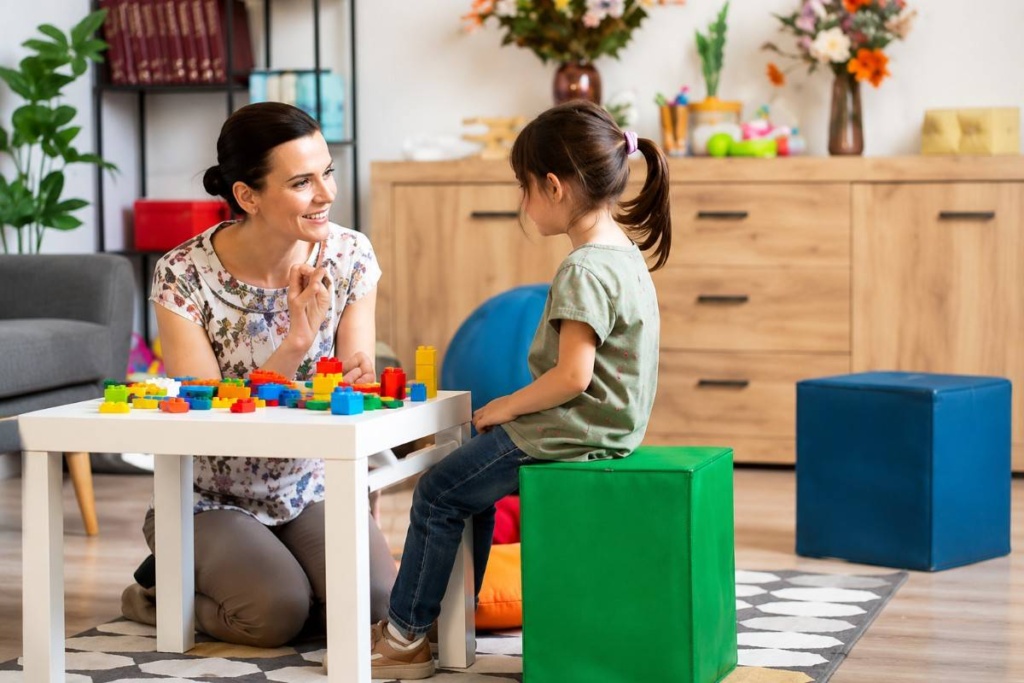
Play-based assessment – specialists observe how your child communicates, plays, and responds in a comfortable, low-pressure environment.
Standardized screening tools – age-appropriate assessments that help identify strengths and areas for growth.
A collaborative discussion – findings are always explained clearly, with time for your questions.
The Team Behind the Assessment
Communication doesn’t exist in isolation. That’s why a holistic approach often works best. At Paramount, our multidisciplinary team includes:
Speech-Language Pathologists – specialists in communication development and disorders
Occupational Therapists in Jaipur – who address sensory processing, motor skills, and daily life activities
Special Educators – trained in special education services in Jaipur who support learning differences in structured, nurturing ways
Developmental Pediatricians and Psychologists – for comprehensive assessments when needed
This team-based model means your child is seen as a whole person, not a checklist of symptoms.
What TherapyActually Looks Like
Many parents imagine speech therapy as drill-based repetition in a clinical room. In reality, modern, child-centred therapy looks a lot like play.
Sessions are structured around your child’s interests.
Goals are meaningful and functional – not just “say this word correctly,” but “ask for what you need.”
Parents are active partners, not passive observers. You’ll receive strategies to reinforce progress at home.
Early intervention – particularly before age 5 – is consistently shown to produce better outcomes. If you are considering speech therapy in Jaipur, it is best to start early. The brain is most adaptable in the first years of life, and every week of support during this window counts.
Why Paramount Child Development Center?
Paramount Child Development Center was founded with a single belief: every child deserves to be understood.
We are one of Jaipur’s most trusted names in early childhood intervention, offering:
Individualized therapy plans – no two children receive the same programme
A warm, inclusive environment – where children feel safe and parents feel supported
Transparent communication – you’ll always know what we’re working on and why
Evidence-based methods – rooted in the latest research in child development
Comprehensive services – from speech therapy to occupational therapy, autism support, and special education, all under one roof
We don’t believe in alarming parents. We believe in partnering with them.
Ready to Take the Next Step? You Don’t Have to Do This Alone.
If something in this article resonated with you – a milestone you’ve been watching, a behaviour you couldn’t quite name – please know that reaching out for a conversation is always okay. It doesn’t commit you to anything. It simply opens a door.
At Paramount Child Development Center, our first step is always listening.
We offer compassionate milestone screenings and developmental consultations for children of all ages. Whether your concern is big or small, we’re here to help you make sense of what you’re seeing – and figure out the right path forward, together.
Contact Paramount Child Development Center today to schedule a free initial consultation.
Because your child’s voice matters. And so does yours.
Paramount Child Development Center is a leading multidisciplinary clinic in Jaipur offering speech therapy, occupational therapy, autism evaluation and intervention, special education services, and more. Our team of experienced professionals is committed to supporting children and families across Rajasthan.